
Building PCI-Compliant Payment Systems for U.S. E-Commerce
Building PCI-Compliant Payment Systems for U.S. E-Commerce
Published on July 6, 2025 by Kingsley Odume
In the fiercely competitive U.S. e-commerce market, securing customer trust isn't optional—it's foundational. And nothing screams credibility louder than a payment system built around PCI compliance. Whether you're just launching your online store or scaling fast, making your checkout experience safe, reliable, and regulation-ready can be the game-changer that keeps customers coming back.
✅ What Is PCI Compliance and Why Does It Matter?
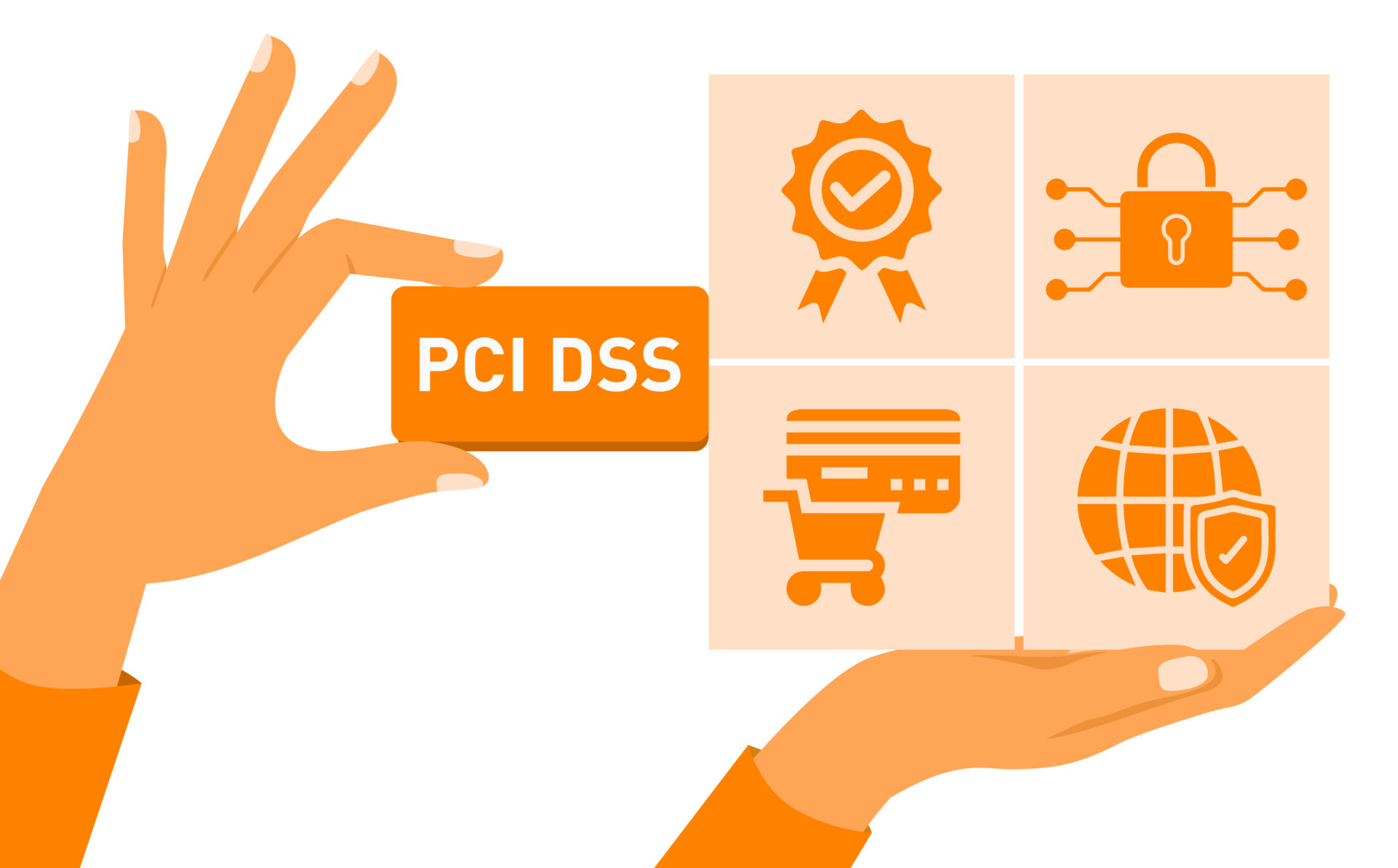
PCI DSS (Payment Card Industry Data Security Standard) is a set of security standards designed to ensure that all companies that accept, process, store, or transmit credit card information maintain a secure environment.
Why it matters for U.S. e-commerce:
🛡️ Protects customer data from breaches and fraud🏛️ Ensures compliance with financial institutions and card networks
📈 Boosts consumer confidence and brand reputation
💰 Avoids hefty penalties and legal complications
🧩 Core Requirements for PCI DSS
To be PCI compliant, your payment system must meet 12 key requirements, grouped into six major goals:
| PCI DSS Goals | Key Requirements |
|---|---|
| Build & maintain secure systems | Install firewalls, change vendor defaults |
| Protect cardholder data | Encrypt transmission and storage |
| Maintain vulnerability management | Update antivirus software, secure apps |
| Implement strong access control | Restrict access and authenticate users |
| Regularly monitor and test networks | Log access and monitor system resources |
| Maintain an information security policy | Create and maintain security documentation |
⚙️ How to Build a PCI-Compliant Payment System
Building a payment system that complies with PCI standards doesn't have to be overwhelming. Here’s a streamlined approach:
1. Choose PCI-Compliant Payment Gateways
Opt for services like Stripe, PayPal, or Square, which handle most of the heavy lifting and are already certified for PCI compliance.
2. Implement Tokenization and Encryption
Replace sensitive data like card numbers with unique tokens. This minimizes exposure and adds layers of protection against data theft.
3. Use HTTPS Across Your Platform
Secure your website using SSL/TLS encryption to protect user data from interception during checkout.
4. Limit Data Storage
Avoid storing unnecessary cardholder data. If you must store data (e.g. for subscriptions), follow strict encryption protocols and storage limits.
5. Conduct Regular Security Audits
Scan your infrastructure regularly for vulnerabilities, apply patches, and update plugins to stay ahead of threats.
6. Stay Current with PCI Updates
PCI DSS is a living standard—be sure to stay in sync with the latest version. As of now, PCI DSS v4.0 is the newest release with updates to authentication and encryption practices.
👋 Final Thoughts
In an age where consumers are more security-conscious than ever, PCI compliance isn't just about checking a box—it’s about building trust. By implementing smart systems and following PCI guidelines, your U.S. e-commerce business can stand out in both security and performance.
📚 Frequently Asked Questions (FAQ)
Is PCI compliance mandatory for U.S. online stores?
Yes, PCI compliance is required for any U.S.-based e-commerce business that processes, stores, or transmits cardholder data. Non-compliance can lead to fines, legal actions, and loss of customer trust.
What are the penalties for not being PCI compliant?
Penalties can include fines ranging from $5,000 to $100,000 per month, increased transaction fees, loss of payment processing privileges, and damage to reputation—especially in highly regulated U.S. markets.
Which payment gateways are PCI compliant in the U.S.?
Popular U.S.-compliant gateways include Stripe, Square, PayPal, Authorize.Net, and Braintree. These providers handle encryption, tokenization, and secure checkout services out of the box.
How often should I update my PCI compliance strategy?
Review your PCI strategy at least annually or whenever significant changes occur in your infrastructure, hosting, or payment handling workflows. Staying current with PCI DSS updates ensures ongoing compliance and protection.
Can small businesses afford PCI compliance?
Yes! By using hosted payment solutions like Stripe or PayPal, small U.S. businesses can remain compliant without hefty infrastructure costs. These services offload most of the technical responsibilities at a minimal monthly fee.
🚀 Ready to Build Safer Payment Systems?
If you're looking to integrate PCI-compliant solutions into your U.S. e-commerce platform, or need a trusted developer to lead your payment security strategy—let's connect!
Contact Kingsley Today OR Connect Kingsley Today
Tags:
Related Posts

How to Secure Your Website Payments: Best Practices for 2025
Jul 11, 2025 | None
Why Django is Perfect for US Startups
Jul 07, 2025 | None

8 Python Libraries So Good, I Stopped Writing My Own Scripts 2025
Jul 04, 2025 | None
Comments
Leave a Comment
Blog List
No comments yet. Be the first to comment!